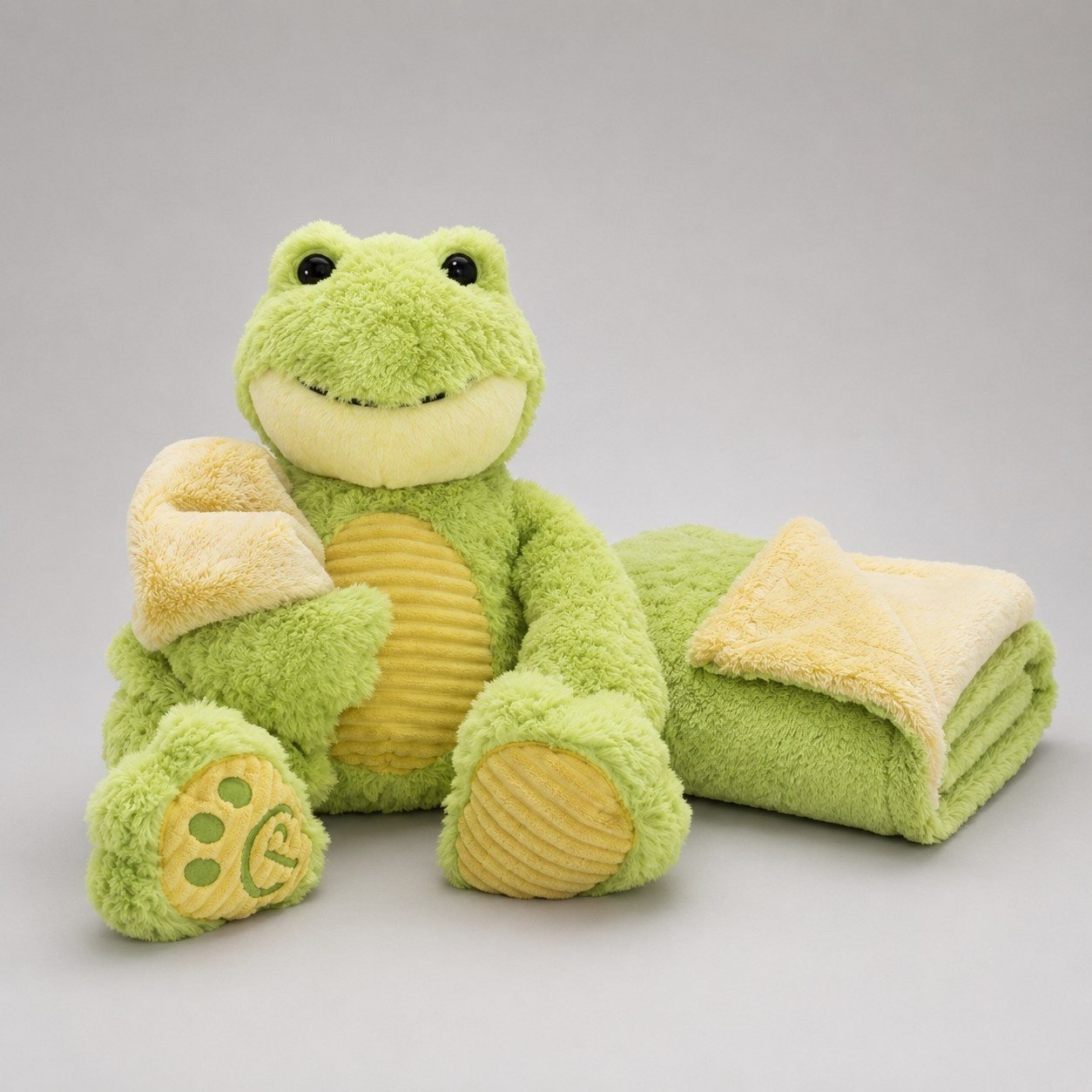
You can stock the most beautiful product in the world, but if it’s not selling, it’s just sitting. That’s where sell-through rate comes in. In the gift industry, where shelf space is limited and seasonal turns matter, this is one of the most important numbers in your toolbox. It tells you what’s working, what needs to go, and where your next dollars should (or shouldn’t) be spent.
What it is (and what it isn’t)
Sell-through rate measures how much of a product you’ve sold compared to how much you brought in. It’s not about total units sold. It’s about velocity and efficiency.
Here’s the formula
Sell-Through = (Units Sold ÷ Units Received) × 100
If you ordered 48 angel figurines and sold 36, your sell-through rate is 75%. That’s solid movement, especially if it happened over a 4–6 week window.
If you’ve only sold 10 of the 48 and it’s been two months? That tells a different story.
Why it matters in gift retail
Independent gift shops and pharmacy stores aren’t built for endless backstock.
Your display space is finite. So every SKU needs to earn its keep.
High sell-through = the product is resonating.
Low sell-through = time to reconsider.
This metric helps you:
- Decide when to reorder (and when to hold off)
- Flag items that need a markdown or new location
- Spot underperformers by vendor or category
- Build a case for future buys with the data to back it up
Over time, tracking this number helps you buy smarter. You’ll waste less on slow movers and double down on proven winners.
A general benchmark
Across retail, a 60 to 70% sell-through is generally seen as healthy, and trend-based or seasonal items should aim higher, closer to 80% within their selling window. Slower turns might make sense for evergreen basics, but anything that’s seasonal or space consuming should be evaluated more aggressively.
And remember, not everything needs to be a reorder. Fast doesn’t always mean profitable. Look at your margin alongside your sell-through before you commit.
Insider tip
Combine barcode data with sell-through rates by vendor. If a certain line consistently moves at 70%+ with clean margins, it deserves front-and-center treatment, and a reorder strategy. If another line lingers at 20% sell-through despite good presentation, it’s probably time to move on.