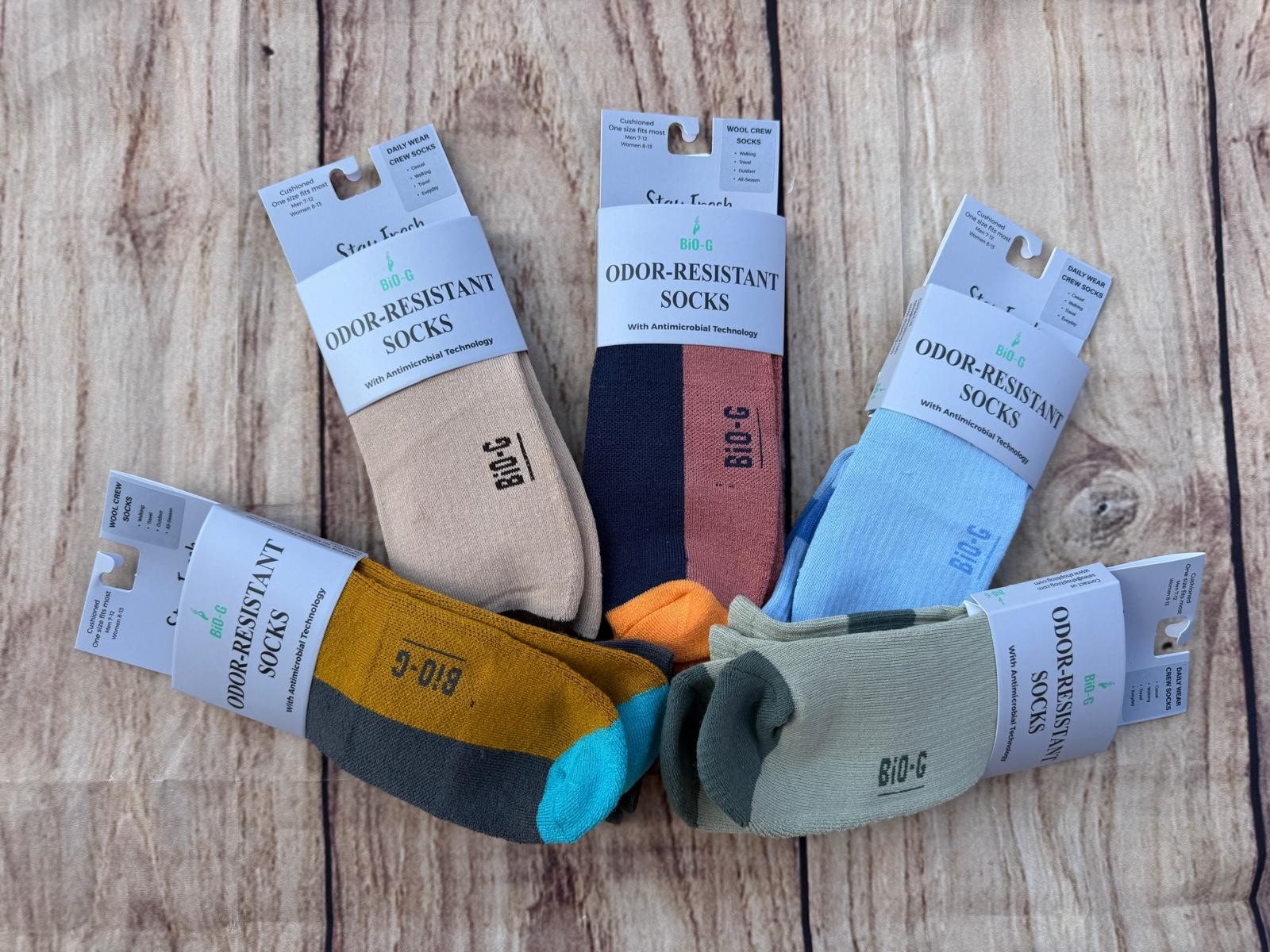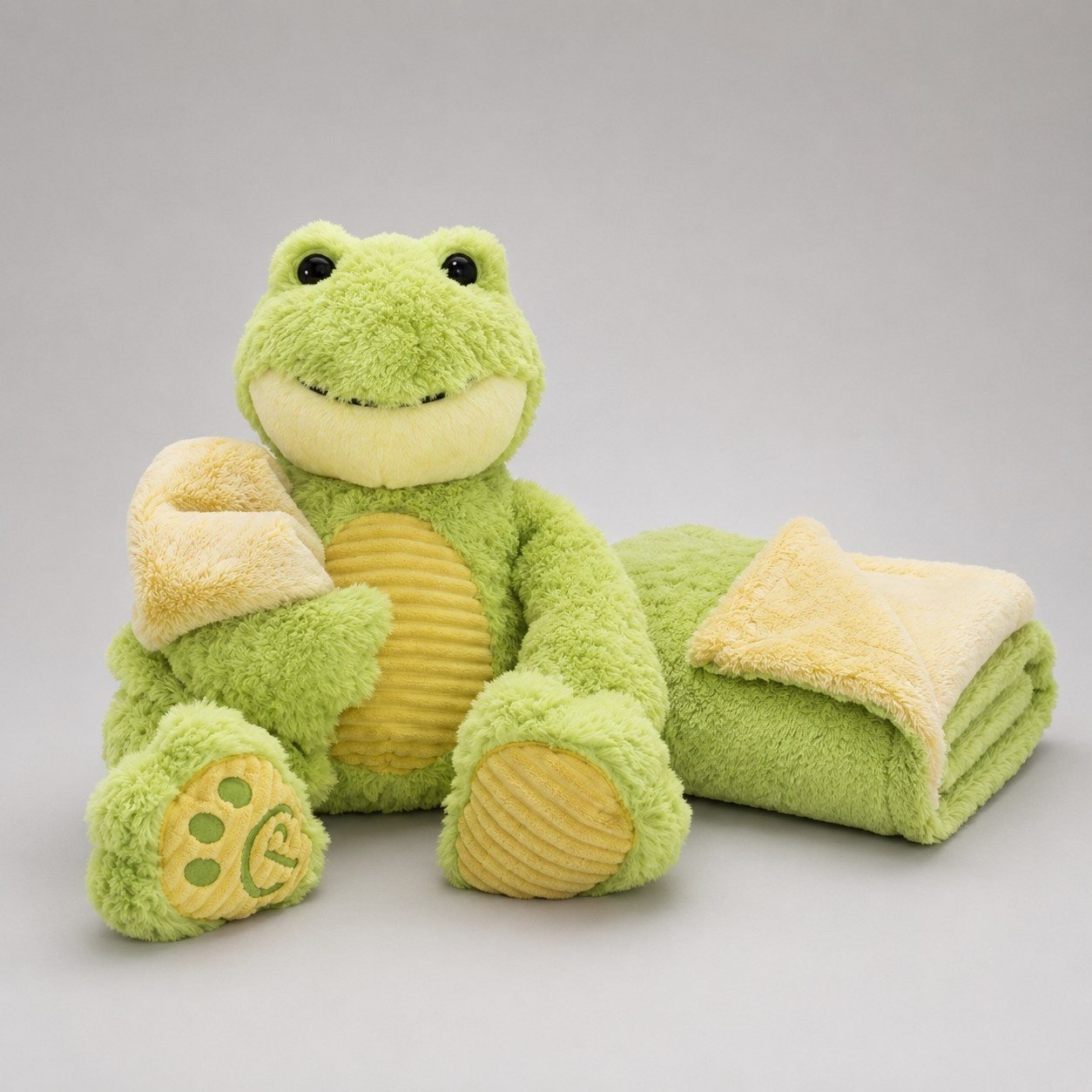
Most retailers define a best seller by units sold. If it moves quickly and consistently, it earns that label. But units sold tell only part of the story, and the busiest item on the shelf is not always the one earning its place.
The premise
Why volume can mislead
A product can sell often and still underperform. It can look busy while quietly draining margin, taking up space, or limiting better opportunities. If we stop at volume alone, we risk protecting items that are familiar rather than profitable. To understand whether a product truly earns its place, you have to evaluate performance more holistically.
Margin
Start with margin, not just movement
Two products can sell the same number of units and produce very different results. If Item A sells 40 units at a healthy margin and Item B sells 45 units at a slim margin, Item A may be contributing more actual profit. The goal is not just activity. It is contribution. Look at gross margin dollars per SKU, not just unit count. The products that generate the most profit relative to their footprint deserve protection.
Turn
Examine turn and reorder behavior
Strong products reorder cleanly and predictably. They sell through, get replenished, and continue to perform without constant discounting or repositioning. If something sells well during its first placement but slows dramatically on reorder, it may have been newness, not strength. Consistent turn is a stronger indicator than a one time spike.
Space
Measure space productivity
Every shelf, table, and endcap carries an opportunity cost. When a product takes up six facings, it must justify that space.
Ask yourself
- How much revenue does this SKU produce per linear foot?
- How many weeks does it sit before needing reorder?
- Could two smaller but higher margin items outperform this single large item?
Sometimes a visually impressive product is underperforming relative to its footprint.
Attachment
Consider attachment rate
Some products rarely sell alone but significantly increase total transaction value. If a candle consistently triggers an added greeting card, or a plush toy drives balloon and book sales, its value extends beyond its own SKU performance. Look at what else sells when this item sells. Best products often act as anchors that lift surrounding categories.
Judgment
Emotional pull versus operational reality
Retailers often keep certain items because customers comment on them or because they personally love them. Emotional attachment is understandable, but shelf space is finite. If something generates compliments but weak sell through, it may belong in marketing, not in inventory depth. Let the numbers guide you, even when taste pulls you elsewhere.
The habit
Create a performance snapshot
Once per quarter, choose your top 25 selling SKUs and evaluate each against five questions:
- Is the margin strong?
- Is the turn consistent?
- Does it reorder reliably?
- Does it justify its space?
- Does it lift surrounding categories?
You may discover that some of your “best sellers” are simply familiar sellers. Meanwhile, quieter products may be outperforming them in profit contribution.
The goal is not to eliminate what sells. It is to elevate what performs. True best products are not just the ones that move. They are the ones that strengthen your business every time they do.